
Understanding the psychological triggers that drive gambling behavior
The Allure of Risk and Reward
The excitement associated with gambling stems largely from the psychological allure of risk and reward. This dynamic creates a compelling environment that attracts individuals seeking an adrenaline rush. The thrill of placing a bet can trigger the release of dopamine, the brain’s feel-good neurotransmitter, leading players to associate gambling with pleasure. This physiological response can turn gambling into a highly addictive activity, as players continuously chase the high associated with winning. For those interested in online options, the Senseizino casino app offers a fantastic array of games that heighten this experience.

Moreover, the anticipation of potential wins can amplify this excitement. Many gamblers find themselves in a state of heightened arousal as they await the outcome of their bets. This anticipation can sometimes overshadow the actual win or loss, reinforcing the behavior even if it leads to negative consequences. The experience becomes more about the thrill of the game rather than the financial outcome, driving individuals to continue playing despite losses.
Social factors further enhance the allure of risk and reward. People often gamble in groups, sharing the experience of excitement and camaraderie. This social aspect can make gambling feel less like a solitary activity and more like a collective adventure, making the risk feel less daunting. As individuals engage with others, their perceptions of risk can diminish, encouraging them to take greater risks in pursuit of shared enjoyment and validation.
Illusion of Control and Superstition
The illusion of control is a significant psychological trigger that influences gambling behavior. Many gamblers believe they can influence the outcome of games through their choices or strategies, even when outcomes are purely random. This illusion encourages players to engage further, as they feel empowered to shape their own fates, leading to increased betting and more significant financial stakes.
This belief is often bolstered by superstitions. Gamblers may develop rituals or strategies they believe improve their chances of winning, such as choosing specific numbers or avoiding certain actions. For instance, the common practice of wearing “lucky” items or following particular routines can reinforce the gambler’s sense of control. These behaviors become intertwined with the gambling experience, often leading to a cycle of repeated play, regardless of the actual statistical probabilities involved.
The reinforcement of these beliefs can also be seen in gambling environments, where machines and tables are designed to create a sense of player agency. The bright lights, sounds of wins, and encouragement from staff can further enhance the illusion of control, making players feel as though they are actively participating in their success rather than simply relying on chance. This psychological manipulation keeps players engaged and coming back for more, even when faced with losses.
Escapism and Emotional Regulation
For many individuals, gambling serves as a form of escapism. This behavior can stem from various life stressors, such as financial difficulties, relationship issues, or job-related pressures. Engaging in gambling allows individuals to temporarily escape their realities, immersing themselves in a world where they feel a sense of control and excitement. This escape can provide relief, albeit temporarily, from the challenges of everyday life.
Gambling can also be a tool for emotional regulation. Individuals may gamble to manage feelings of anxiety, depression, or boredom. The activity becomes a coping mechanism that distracts them from their emotions, allowing them to experience brief moments of joy and excitement. Over time, however, this reliance on gambling can lead to compulsive behavior, as the individual feels increasingly dependent on the activity to manage their emotional state.
This cycle of escapism can be particularly detrimental when it interferes with personal responsibilities and relationships. As individuals prioritize gambling over other aspects of their lives, the consequences can escalate, leading to further emotional distress. The initial relief that gambling provides can quickly transform into a vicious cycle of loss and regret, perpetuating the need for further gambling to escape from the realities of their situation.
The Role of Environment and Cultural Influences
The environment in which gambling occurs plays a crucial role in shaping individual behavior. Factors such as the presence of nearby gambling establishments, cultural acceptance of gambling, and social norms can significantly influence how individuals approach gambling. In cultures where gambling is normalized or celebrated, individuals may be more likely to engage in gambling activities without considering the potential risks involved.
Additionally, advertising and promotions within the gambling industry can reinforce gambling behaviors by presenting it as an attractive and glamorous pastime. Casinos and online platforms often market themselves through images of luxury, excitement, and social interaction, appealing to the desires of potential gamblers. This type of marketing can normalize gambling and diminish perceived risks, enticing people to participate who may otherwise refrain.
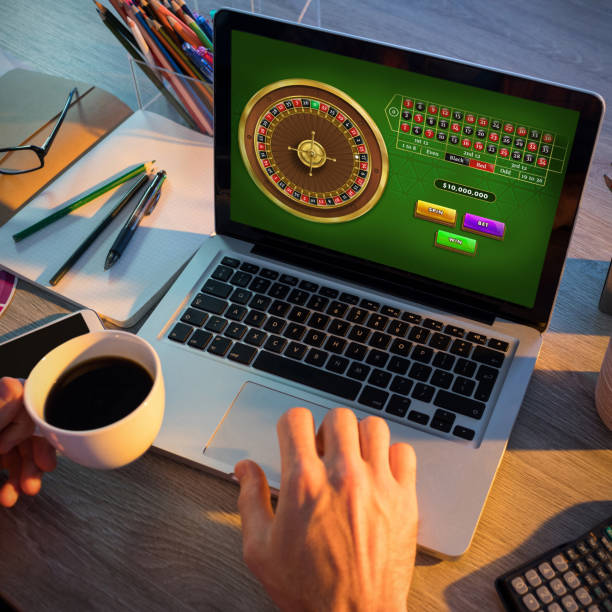
The availability of gambling options further influences behavior. As technology evolves, online gambling platforms have become increasingly accessible, allowing individuals to gamble from the comfort of their homes. This accessibility can lead to increased gambling frequency and expenditure, as players may not fully grasp the financial implications of their behavior in a virtual setting. The combination of a supportive environment, cultural influences, and convenient access can create a breeding ground for gambling addiction.
Exploring Senseizino Casino’s Approach to Gambling
Understanding the psychological triggers that drive gambling behavior is essential for both players and platforms like Senseizino Casino. By recognizing the motivations behind gambling, the casino can create an environment that prioritizes player welfare and responsible gaming. Offering features such as self-exclusion options and promoting responsible gambling messages are vital steps in fostering a safer gaming experience.
Additionally, Senseizino Casino’s commitment to providing a range of games and promotions can cater to various player preferences, which may positively influence their gambling experience. By offering a diverse gaming portfolio, the platform can help players find enjoyment without succumbing to the darker aspects of gambling behavior. This approach not only enhances player satisfaction but also encourages responsible play.
Ultimately, it is crucial for both players and operators to remain vigilant about the psychological triggers of gambling. By fostering awareness and promoting responsible practices, casinos like Senseizino can contribute to a healthier gambling environment, allowing individuals to enjoy their gaming experience while minimizing the risk of addiction. Understanding these underlying triggers empowers players to make informed decisions, ensuring that gambling remains a fun and entertaining pastime.
