
Understanding the psychological traps in casino gambling decisions
The allure of randomness and luck
Casino gambling often presents an enticing mix of randomness and luck, drawing players into a world where outcomes feel unpredictable and exciting. This allure can create a powerful psychological trap, as individuals begin to believe they can influence their chances of winning through strategies or superstitions. Many gamblers may convince themselves that a winning streak is due to their skills or lucky rituals, rather than understanding the fundamental odds that govern the games they are playing. Additionally, exploring best online casinos might lead them to believe they have more options for success.
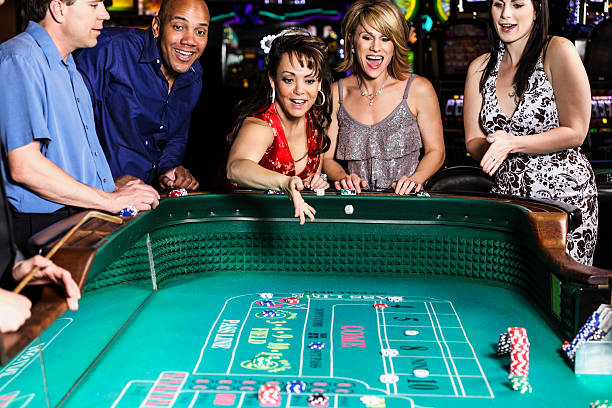
This belief in luck can lead to continuous play, even when the odds are stacked against them. Gamblers may chase losses, thinking that one more spin or hand could turn their fortunes around. This cycle can be difficult to break, as it feeds into a delusion that they are in control when, in reality, the nature of casino games is designed to favor the house in the long run.
The illusion of control
The illusion of control is another psychological trap that often ensnares gamblers. Players frequently believe that by adopting specific strategies, they can sway the outcome of a game. This illusion manifests prominently in games like poker and blackjack, where skills and decision-making are crucial. However, even in these games, the inherent randomness of card distribution and player behavior means that control is largely an illusion.
When players perceive they have control over their gambling decisions, they may be more likely to increase their bets or prolong their playing time, leading to greater losses. Recognizing that many aspects of gambling are beyond individual control is essential for responsible play. Awareness of this psychological pitfall can help gamblers make more informed decisions and manage their bankroll more effectively.
The impact of cognitive biases
Cognitive biases play a significant role in shaping gambling behavior, often leading players to make irrational decisions. One of the most common biases is the gambler’s fallacy, where individuals believe that past events influence future outcomes. For instance, if a particular slot machine hasn’t paid out recently, a gambler may assume it’s “due” for a win, despite the fact that each spin is independent of the last.
These cognitive distortions can lead to poor financial choices, as gamblers may ignore the statistical realities of the games they play. Understanding these biases can empower individuals to recognize when they are falling into these traps and help them resist the urge to make impulsive decisions based on flawed reasoning.
Emotional decision-making in gambling
Emotions play a crucial role in gambling decisions, often leading players away from rational thought. The thrill of winning can trigger feelings of euphoria, prompting gamblers to take bigger risks or play longer than intended. Conversely, the distress of losing can result in “tilt,” where players become frustrated and make hasty, impulsive choices in an attempt to recover their losses.
Recognizing the influence of emotions on gambling behavior is vital for maintaining control over one’s decisions. By practicing emotional regulation and adopting a mindful approach to gaming, gamblers can mitigate the impact of emotional highs and lows on their bankroll management and overall experience.

About our website
Our website is dedicated to educating players about the psychological aspects of gambling and promoting responsible gaming practices. We aim to provide valuable insights into the mental traps that can lead to poor gambling decisions, helping individuals make informed choices while enjoying their gaming experience.
By fostering awareness of these psychological factors, we hope to empower gamblers to manage their bankrolls effectively, enhance their decision-making processes, and ultimately enjoy a more sustainable and enjoyable approach to casino gaming.
